Skip to content
Silverfern

About

The heart of Silverfern

My values are the foundation of everything I do. They guide my decisions and push me to deliver my best for clients and community. But a little bit of fun goes a long way too.
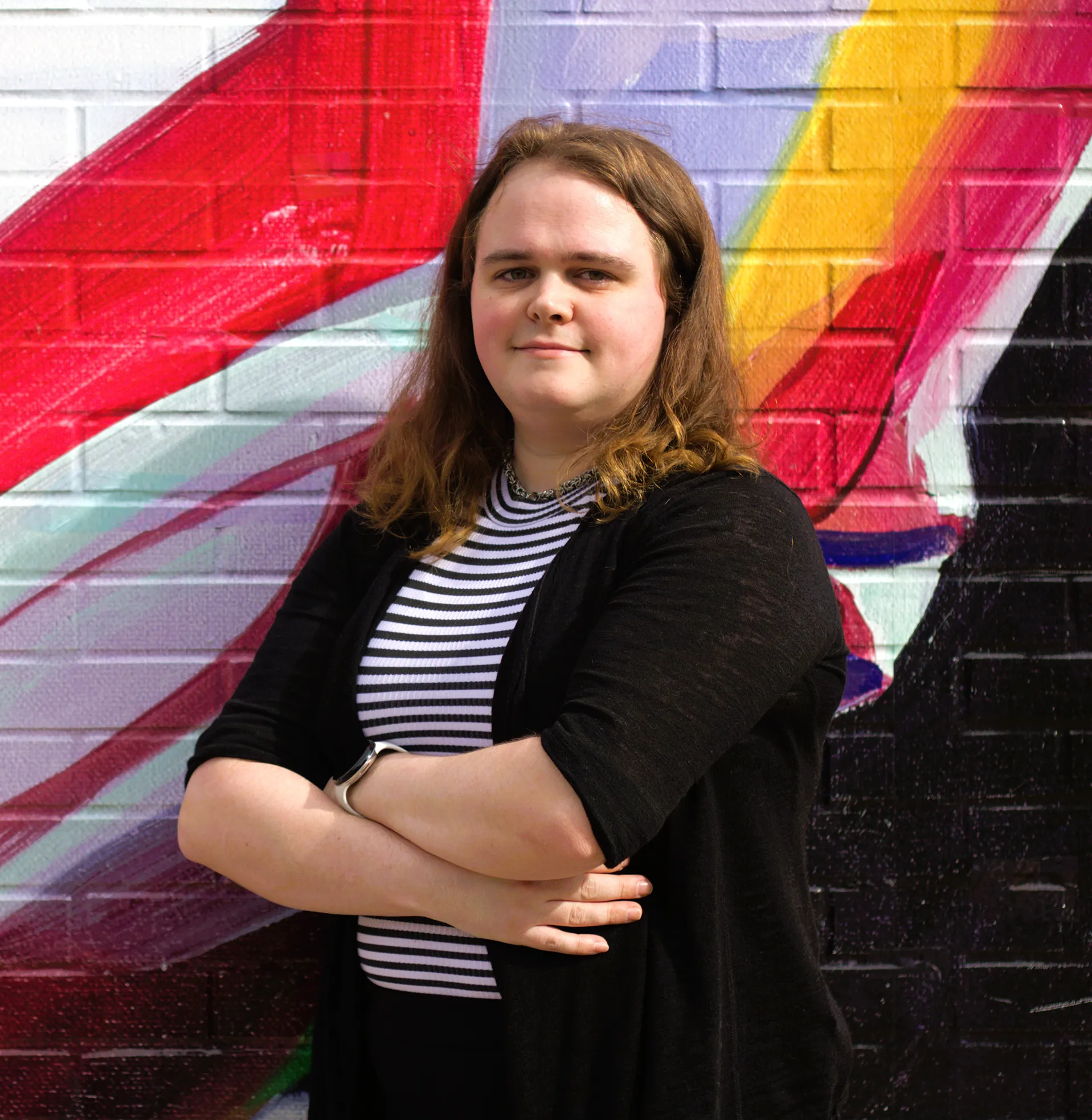
Zoe Montague, professional headshot

Zoe Montague

Founder & Principal IT Consultant

  • 10 years in IT, 5 inside MSPs
  • Registered in Albany, New York
  • Woman-owned & LGBTQ-owned

ResumeLinkedIn

Hey there! I get it: you’re busy, and reading long sections about values and missions might not be your idea of fun. But if you stick around, you’ll see what makes Silverfern tick and why I’m so passionate about what I do.

Introduction

Hello! I’m Zoe Montague, the Founder & Principal IT Consultant at Silverfern. My journey in IT has been fueled by resilience, determination, and a passion for helping others. I started on a support desk, moved through systems administration and data center operations, and ended up as a Lead Cloud Engineer building an Azure managed-services practice from the ground up. That hands-on experience informs every assessment and recommendation I make today, whether I’m working with a growing business or an MSP.

One of my best memories was flying to New York City for a cloud migration cutover during an acquisition. High pressure, tight deadlines, but seeing it all come together reinforced why planning and strategy matter as much as execution.

Beyond the technical work, what truly drives me is building strong, trust-based relationships. A company should focus on its clients, vendors, employees, and local communities to truly succeed.

My mission

My mission is deeply rooted in my own experiences. I understand the struggles that come with a lack of resources and support, and that has given me a strong sense of empathy. Silverfern exists to give organizations honest, experienced IT guidance that improves their decisions, strengthens their operations, and helps them grow sustainably.

I also believe businesses have a duty to protect the privacy and security of their clients and vendors. Too many companies neglect that responsibility, and I’m determined to set a higher standard. True success comes from the well-being of everyone involved, not just profit. By avoiding “lock-in” tactics, I build relationships based on mutual growth and respect.

As a member of the LGBTQ community, I’m proud to run a woman-owned and LGBTQ-owned business. My experiences taught me how important it is to understand the unique problems others face.
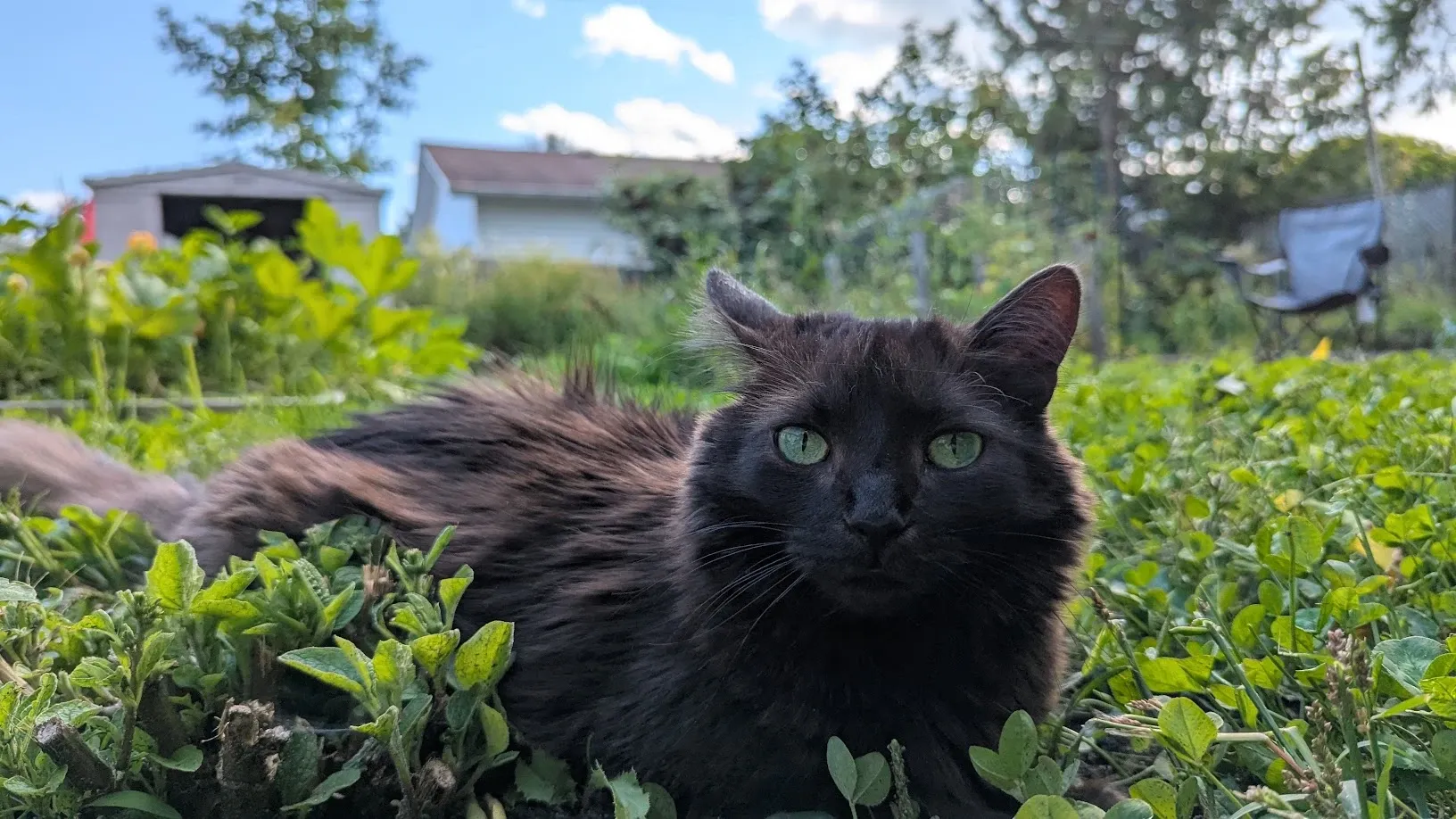
Cashew, a fluffy black cat with green eyes, lying in the clover in the backyard garden
Cashew, supervising the garden.

Outside of work

Meet Cashew.

When I’m not working on client projects, I’m usually with my family: movie nights, board games, cooking together, or out in the backyard garden, which we keep expanding every spring and summer.

That’s Cashew’s territory. The garden has never been better supervised.

The path here

From the support desk to my own consultancy

Every step taught me something I still use with clients.
  1. 2018

    Concentrix

    Technical Support Representative

    Tier 1 support for Intuit QuickBooks Online. Promoted to Senior Technical Support Representative, training new agents and handling tier 2 escalations.

  2. 2019

    Aptora

    System Administrator & Technical Support Engineer

    Maintained Azure Virtual Desktop environments for hosted clients, managed company infrastructure, rebuilt the website (30–40% faster), and wrote 50+ knowledge base articles.

  3. 2020–21

    Rackspace Technology

    Information Technology Support Technician

    Monitored Windows and Linux servers across five data centers, maintained Dell and HP enterprise hardware, and handled incident response for client-impacting emergencies.

  4. 2022–24

    CyTek Corporation

    System Administrator → Lead Cloud Engineer

    Built the Azure managed-services division from scratch, led the internal cloud adoption project, and ran client cloud migrations, including one that saved a client $150K+ in 30 days.

  5. 2024

    Copeland Technology Solutions

    Systems Administrator

    Managed Azure and Microsoft 365 environments, supported cybersecurity rollouts, and ran onsite technical reviews to support sales.

  6. 2025

    Silverfern Technology Consultants

    Founder & Principal IT Consultant

    Independent IT consulting for businesses and MSPs: strategy, security, cloud, and hands-on project work.

The stuff you’re too polite to ask on the first call

About me

What got you into IT in the first place?
Honestly? A combination of curiosity and Runescape. As a kid, my dad had a friend who'd come over to help with our family computer - first a Gateway 2000 running Windows 95 or 98, then a Dell Inspiron 531S. Watching them open up that Dell and explain what everything did was the moment the light bulb clicked. But what really pulled me down the rabbit hole was getting into Runescape in the early to mid 2000s, which led me to Runescape private servers. That's when I first learned how to properly (and securely... mostly) host a game server on that same Dell Inspiron 531S and started teaching myself JavaScript development. Looking back, hosting game servers on my parents' desktop probably wasn't my smartest move, but it taught me networking, security, and troubleshooting in ways no textbook could.
How did you progress from helpdesk to cloud engineering?
A mix of opportunity and being willing to take on challenges. I first got into Azure while working at Aptora, then moved to Rackspace's datacenter in Kansas City, which threw me deep into physical servers and managed/cloud hosting. While at Rackspace, I took courses on Azure and used free credits to experiment outside of work hours. Then the pandemic hit, and I landed at CyTek as a system admin/helpdesk tech (apparently the first person they'd hired in 7-9 years). About three months in, a client needed to move out of their colo datacenter - couldn't find another one in their price range and wanted to move to Azure. Nobody at the company knew Azure, but they knew I'd worked at Rackspace. My manager asked if I could take over the project. I've never met a challenge too big to at least try, so I said yes. That project became the foundation for CyTek's entire Azure practice, and I became Lead Cloud Engineer. The rest is history from there.
Do you actually enjoy troubleshooting, or is that just part of the job?
I genuinely love it. Troubleshooting feels like what I imagine "the thrill of the hunt" must be like. You're digging deep into an issue, processing tons of information, following trails that sometimes lead nowhere, and then finally - you find it. That moment when you identify the root cause is such a rewarding and thrilling feeling. It never gets old. Some people find troubleshooting frustrating, but for me it's one of the most satisfying parts of the job. The bigger the puzzle, the better.
What's your typical work setup as a remote consultant?
I have my home office where I handle most client work. It's where I need to be for the focused, technical stuff - assessments, planning work, and client advisory sessions. On weekends though, you'll often find me at the local coffee shop with my laptop, writing blog posts and LinkedIn content. Something about the change of scenery helps with the creative writing side of things. But when I'm heads-down on client projects, I'm at home with my full setup where I can concentrate and access everything I need.
What do you do when you're not working?
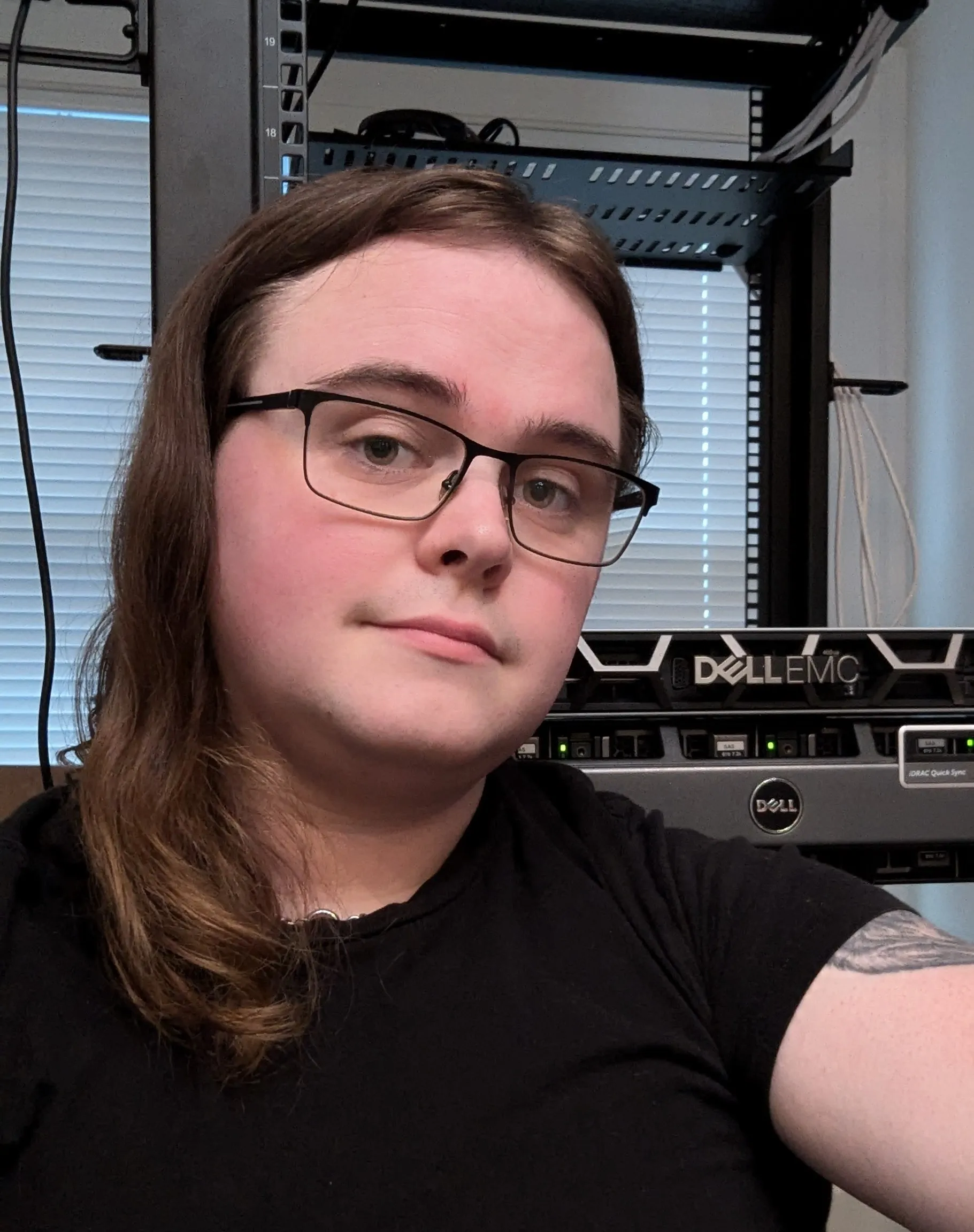
I'm pretty much a full-time house spouse when I'm not handling client work or running Silverfern. I was only able to take the risk of starting this business because of my incredible wife - they work long hours, so I happily handle the bulk of housework and home management. We have a daughter, so there's a lot of family time - movie nights, playing frisbee or throwing the football around, board games, card games, cooking together, standing around chatting in the kitchen. The usual family stuff. I also run a homelab on two Dell PowerEdge servers (R730xd and R440) where I host personal documents and media - I spent considerable time migrating off SaaS platforms like Google Photos to have full control over our data. I've also ripped all our DVDs, Blu-rays, and CDs so we can watch them without the physical players (my most recent score was the complete original Twilight Zone series boxset). For gaming, I'm into VR titles like Pistol Whip, Arizona Sunshine, Half-Life: Alyx, and To The Top, plus desktop games like REPO, Raft, Battlefield, Helldivers 2, Tropico, and We Happy Few. And during spring and summer, we're constantly expanding and improving our garden.
What do you love about MSP work?
I love the uniqueness of MSP work, especially when you have a diverse client base. But the biggest thing for me is the impact on everyday people. MSPs generally serve small to medium-sized businesses that can't justify having an internal IT team - often the bottom quarter of SMBs in terms of resources. That means you get to make a genuine difference in the lives of real people doing real work. Like the paralegal who just needs to view a video in some super niche file format so they can prepare for a case. Or the attorney who has an hour before a court session and can't connect to the printer. These aren't abstract business problems - they're real people whose day you're either making or breaking. Plus, the technical variety keeps things interesting. One day you're working on Azure migrations, the next you're troubleshooting networking issues, then you're planning M&A integrations. It never gets boring, and you're always helping real businesses and real people succeed.
What's the most unexpected thing you've learned working with MSPs?
How many of the older, established MSPs started as lifestyle businesses by people who just loved technology. The last MSP I worked for as a W2 employee was exactly that - started as a lifestyle business and grew into something bigger. The original founder was still around after selling it a few years prior, and his real passion outside of IT (specifically document management for legal firms) was music. I heard countless stories about him touring in the 70s, 80s, and 90s before settling down and starting the MSP. It made me realize that a lot of successful MSPs weren't built by people trying to create massive enterprises - they were built by people who loved solving problems and happened to be good at it. That perspective has definitely influenced how I think about Silverfern's growth.

About Silverfern & working with me

Why "Silverfern" - what's the story behind the name?
I'd been thinking about starting an IT consultancy around Christmas 2024, and I was chatting with a former colleague who I wanted to partner with. We were tossing around ideas for branding and naming when he suggested Silverfern, inspired by New Zealand's national plant - the silver fern. It just clicked. The symbolism felt right: growth, resilience, connection to heritage. Unfortunately, he wasn't able to join me at launch due to current obligations, but the plan is still there. When it becomes viable for him to join Silverfern, I intend for him to be an equal partner. So while the name came from that conversation, it also represents the future vision of what Silverfern can become.
Why did you start Silverfern instead of staying at an MSP?
Honestly, it's a mix of family logistics and how I want to work. Most MSPs in the US didn't want to deal with the complexities and legal requirements for me to work toward permanent residency in Canada while keeping me on their payroll. I can't fault them for that - there are a lot of regulations and requirements involved. Here's the thing: my wife is a born Canadian citizen, and they and our daughter live here full-time. My wife works in government and can't travel to the US as often as I could travel to Canada, so staying with a US-based MSP meant being away from my family constantly. Starting Silverfern solved that problem and gave me something better - the ability to work with a broader range of clients and actually help the community as a whole instead of just one organization. It turned a challenging situation into an opportunity to make a bigger impact.
Where is Silverfern based, and where do you work?
Silverfern Technology Consultants is registered in Albany, New York. All services are delivered remotely, so I work with businesses and MSPs anywhere in the United States - from Hawaii to Texas to Maine.
Is Silverfern just you, or do you have a team?
Right now, Silverfern is just me. It's a solo consultancy, which gives me a lot of flexibility in how I work with clients and what projects I take on. It's not the long-term plan to stay solo forever, though. There's already a future partner waiting in the wings when timing allows, and as demand grows I'd like to bring on other consultants who share Silverfern's values and have genuine, real-world operations experience - people who've been in the trenches doing the work, not someone fresh out of school telling clients what they want to hear. Growth will be intentional and values-driven, not just for the sake of getting bigger.
Do you ever say no to projects?
Yes, absolutely. I've said no to projects for various reasons - sometimes because I'm not the best fit for what they need, other times because I genuinely believe the project isn't in the client's best interest. That's one of the benefits of being on my own: I can say no and stick to my morals to put the prospect or client first. I have no sales quotas or financial pressure pushing me to accept work I shouldn't take on. If a prospect comes to me wanting a quick lift-and-shift Azure migration and I think they need to redesign their infrastructure first, I'll tell them - even if it means they go elsewhere. If someone's asking for something outside my expertise, I'll be upfront about that and potentially refer them to someone who can help. I'd rather turn down work than deliver mediocre results or take money for something I can't do well.
What's it really like working with you?
I've been told I think outside the box and come up with solutions that others never thought of, and that I can quickly follow a root cause path and tell a red herring from the actual issue. From my side, I'd say I'm direct and honest - I'll tell you what I think, but I listen first. I ask a lot of questions because I want to understand your environment and constraints before jumping to solutions. I communicate clearly and frequently throughout projects so you're never wondering where things stand. And I don't disappear after the project is done - I'm available for follow-up questions and ongoing support. I also admit when I don't know something rather than pretending I have all the answers.
How do you handle disagreements with clients?
Like mature adults through communication! Disagreements happen - different perspectives on technical approaches, timeline expectations, budget constraints. When they come up, I want to understand the client's reasoning first, explain my perspective, and find a solution that works for both of us. Most disagreements come from misunderstanding or misaligned expectations, which good communication usually resolves. If it really comes down to it, our contracts cover exactly how disputes will be handled. But honestly, in my experience, if you've built a foundation of trust and you're both approaching things with good intent, disagreements are just problems to solve together rather than battles to win.

If you made it all the way down this page, you’re awesome and we should probably be working together.Why not get in touch?

Not sure where to start? Let’s talk it through.

A free 15 or 30 minute call to understand what’s going on and whether I’m the right fit. If I’m not, I’ll tell you, and point you to someone who is. After that, it’s $80/hour with no retainer.